Kabul is a city of hustle and bustle. There are few paved roads and no traffic lanes, intersections, or traffic lights. Livestock including sheep, goats, and camels weave in and out of traffic consisting mostly of old Toyota Corolla Sedans converted to taxicabs while young men in jeans talk on cell phones. It is a cacophony of traditional and modernity.

Greetings from Afghanistan © 2005 Susan M Hall

OMAR De-miners © 2005 Susan M Hall
Organization for Mine Clearance and Afghan Rehabilitation (OMAR). De-miners search for land mines on the outskirts of Kabul.

International Committee of the Red Cross Kabul, Afghanistan © 2005 Susan M Hall
A technician creates a prosthesis at the International Committee of the Red Cross (ICRC) rehabilitation center in Kabul.
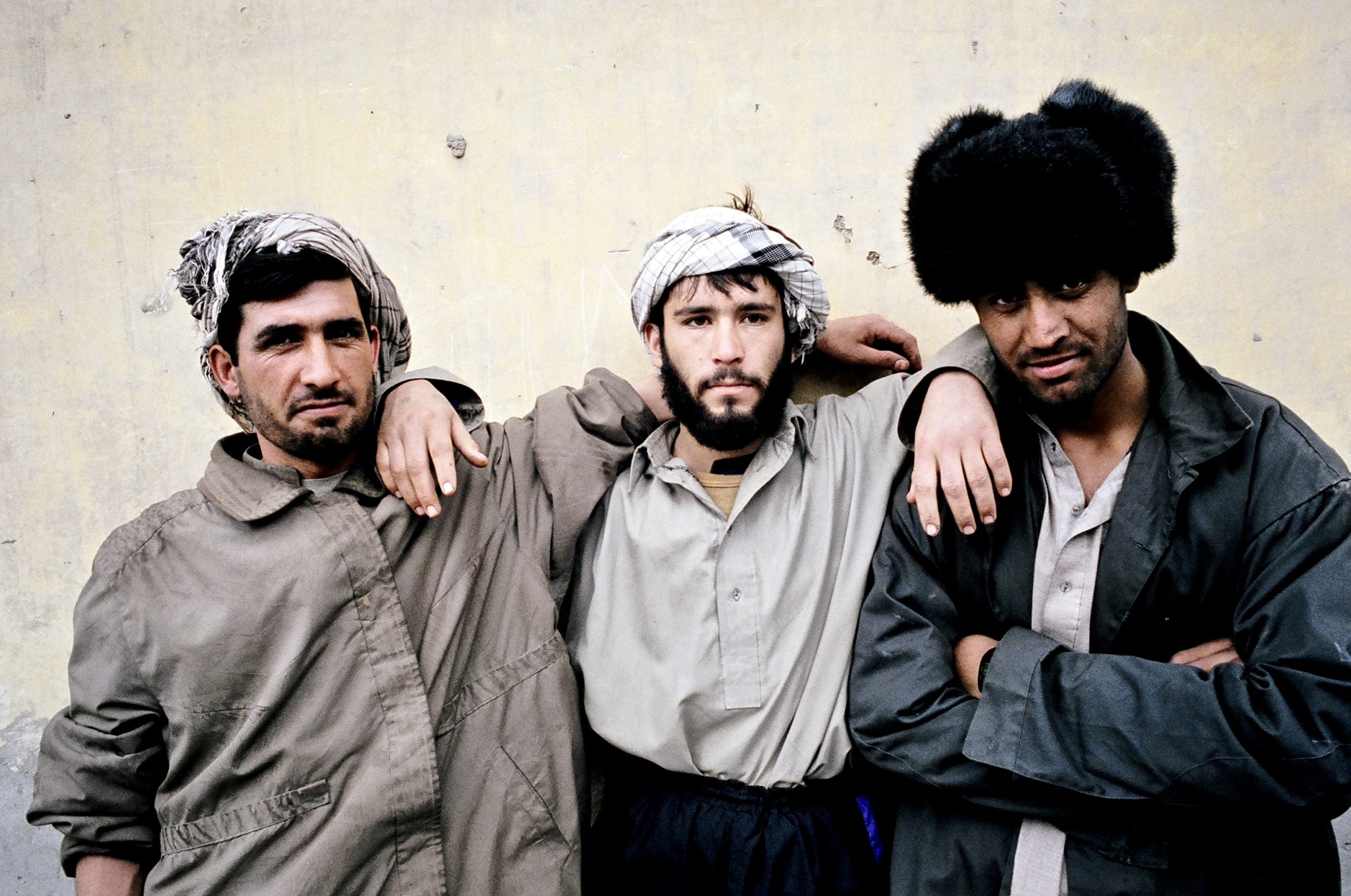
Afghan Carpet Weavers © 2005 Susan M Hall
Carpet weavers pose for a photo outside a carpet factory in Kabul.

Afghans4Tomorrow Girl’s School © 2007 Susan M Hall
Afghans4Tomorrow girls’ school. During the five years from 1996-2001, when the Taliban were in power, girls in Afghanistan were not allowed to attend school. Following the fall of the Taliban in 2001, girls resumed their education.

English Lesson © 2007 Susan M Hall
English Lesson. Students study three languages at the Afghans4Tomorrow schools: Dari, Pashto, and English, as well as the “Quran,” the Holy Book of Islam, which is written in Arabic.
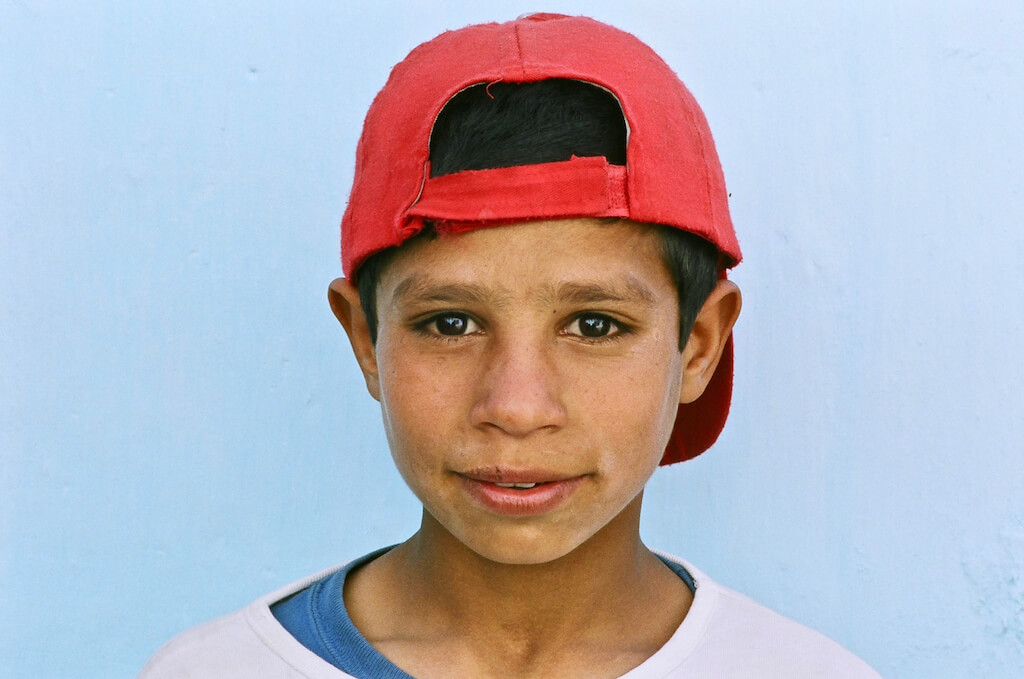
© 2007 Susan M Hall
Afghanistan has been at war for over a quarter of a century. The future of the country depends on education and literacy for boys, as well as girls.
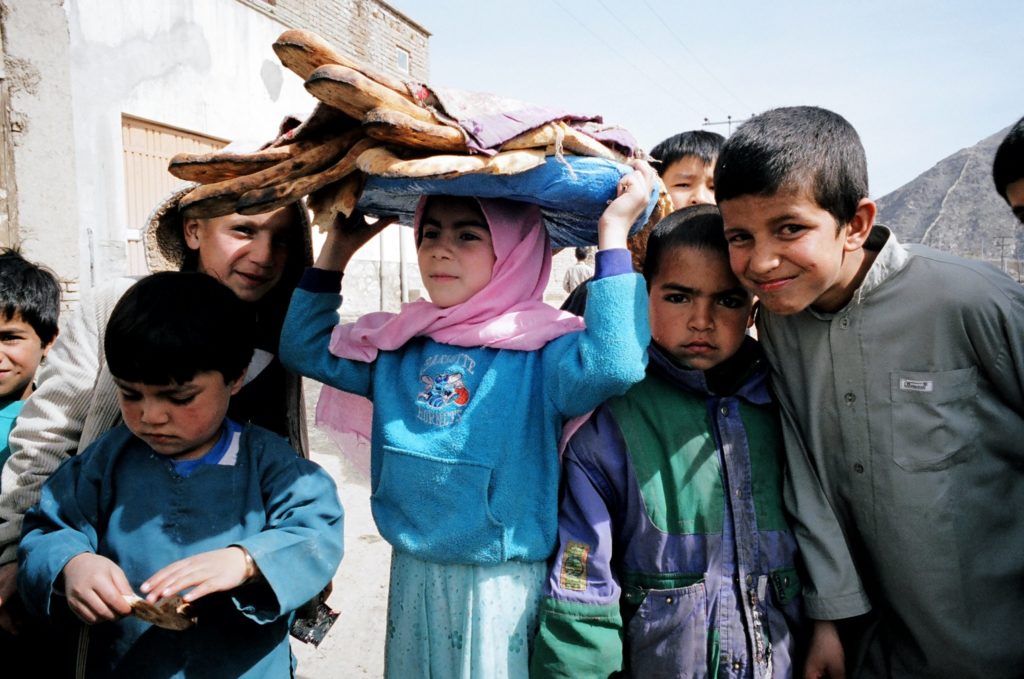
© 2005 Susan M Hall
Children bring “naan” from the neighborhood bakery in Kabul.
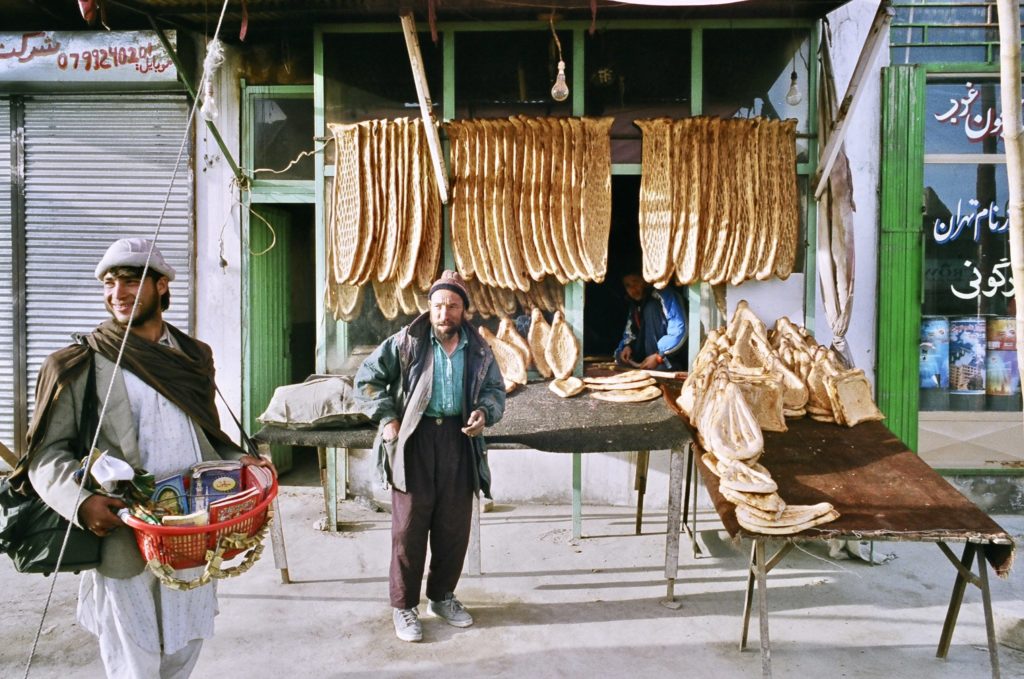
Afghan Bakery, Kabul © 2005 Susan M Hall
“Naan” (flat bread) is a staple of the Afghan diet.
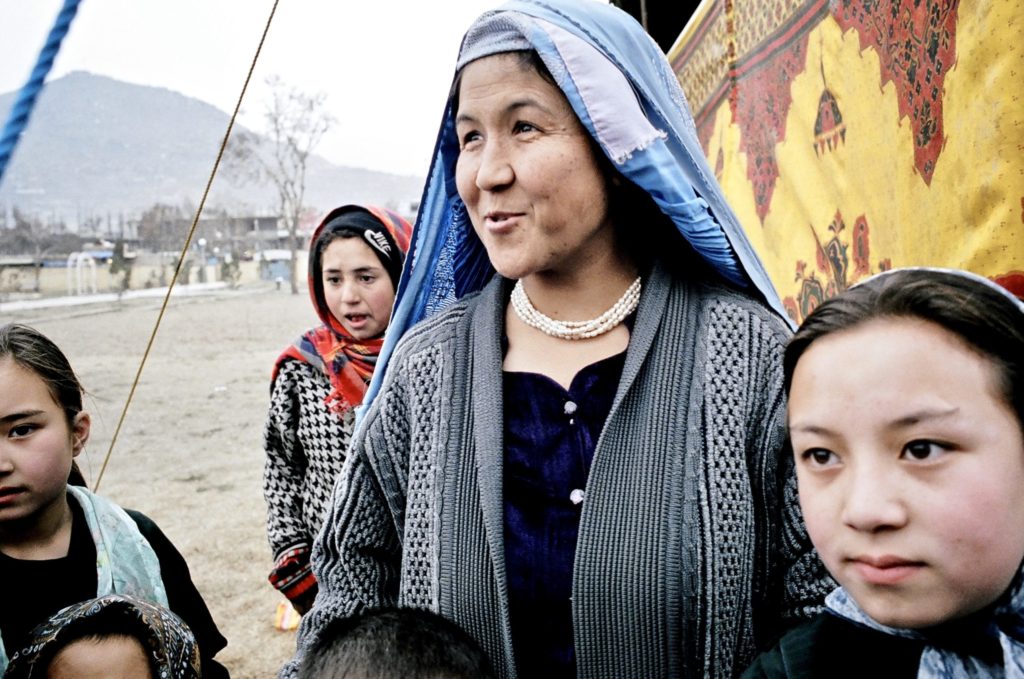
Baghe Zanana Women’s Garden © 2005 Susan M Hall
Kabul’s Baghe Zanana (commonly known as the Women’s Garden).